jay@nbdho.com

What’s the Minimum MOQ for Bucket Hats? A Manufacturer’s Explanation
What’s the Minimum MOQ for Bucket Hats? A Manufacturer’s Explanation
When planning wholesale bucket hat orders, one of the first questions buyers ask is: “What’s the minimum order quantity (MOQ)?”
MOQ is a critical factor that affects pricing, production planning, and lead time. Understanding how manufacturers determine MOQ can help buyers make better decisions and negotiate effectively.
1. What is MOQ?
MOQ stands for Minimum Order Quantity, the smallest number of units a factory is willing to produce in one batch.
It exists to:
-
Cover setup costs (cutting, sewing, embroidery)
-
Optimize fabric usage and reduce waste
-
Ensure efficient production scheduling
-
Make the order profitable for the manufacturer
Without MOQ, producing a small number of hats often leads to higher costs per unit.
2. Typical MOQ for Bucket Hats
The MOQ varies depending on the manufacturer, material, and complexity:
| Hat Type | Typical MOQ | Notes |
|---|---|---|
| Basic cotton bucket hat | 100–300 pcs | Standard style, no embroidery |
| Embroidered logo bucket hat | 200–500 pcs | Cost of embroidery setup included |
| Custom printed or patch bucket hat | 300–500 pcs | Printing or patch setup fees increase MOQ |
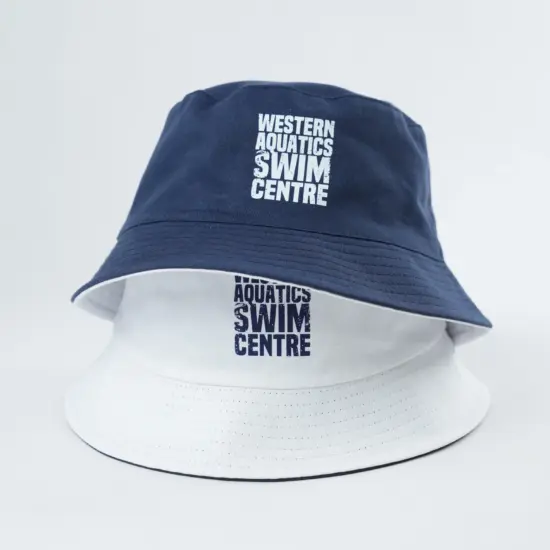
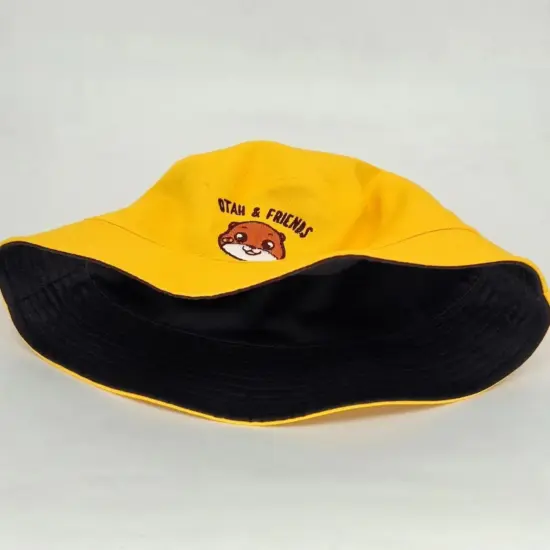
| Reversible or multi-layer bucket hat | 500 pcs+ | Extra labor and materials required |
Tip: Some factories offer sample runs below MOQ for a higher per-unit cost.
3. Factors Affecting MOQ
Several factors influence the manufacturer’s MOQ:
A. Fabric Type and Availability
-
Common fabrics (cotton twill, canvas, polyester) → lower MOQ
-
Rare or imported fabrics → higher MOQ due to limited stock
B. Hat Design Complexity
-
Simple 4-panel hats → lower MOQ
-
Multi-panel, structured, reversible, or double-layer hats → higher MOQ
C. Customization Level
-
Small embroidery → moderate MOQ
-
Large embroidery, all-over printing, or custom patches → higher MOQ due to setup cost
D. Production Capacity
-
Larger factories can accept smaller MOQs because they have more flexible lines
-
Smaller factories often require higher MOQs to cover costs
E. Seasonal Demand
-
Peak seasons → factories enforce higher MOQs to manage workflow
-
Off-season → some flexibility for smaller orders
4. How MOQ Affects Pricing
-
Higher MOQ → lower per-unit cost
-
Lower MOQ → higher per-unit cost (setup costs distributed over fewer units)
Example:
| Order Qty | Unit Price (Approx.) |
|---|---|
| 100 pcs | $4.50 |
| 300 pcs | $3.20 |
| 500 pcs | $2.80 |
| 1,000 pcs | $2.20 |
Understanding MOQ helps buyers forecast budgets and negotiate with factories.
5. Tips for Buyers Wanting Small Quantities
-
Request pre-production samples before bulk orders
-
Combine multiple designs or colors in one batch
-
Negotiate MOQ with factories during off-peak seasons
-
Consider shared orders with other buyers if allowed
Some manufacturers may offer flexible MOQ for long-term clients or startups willing to pay slightly higher unit prices.
6. Why Factories Set MOQ
Manufacturers set MOQ primarily to:
-
Cover fabric and labor costs efficiently
-
Optimize production workflow
-
Reduce waste and setup loss
-
Ensure profitable operations
MOQ is not arbitrary; it is a balance between cost, capacity, and efficiency.
Final Thoughts
Understanding the minimum order quantity (MOQ) is crucial for any buyer planning bucket hat wholesale orders. By knowing how MOQ is determined and what factors affect it, buyers can:
-
Plan budgets effectively
-
Avoid unnecessary delays
-
Choose the right manufacturer
-
Negotiate flexible orders when necessary
Working with a factory-direct bucket hat supplier ensures clarity on MOQ and allows buyers to optimize both cost and quality.