jay@nbdho.com

Common Manufacturing Techniques: Sewing, Pressing, Embroidery, and Printing for Bucket Hats
Common Manufacturing Techniques: Sewing, Pressing, Embroidery, and Printing for Bucket Hats
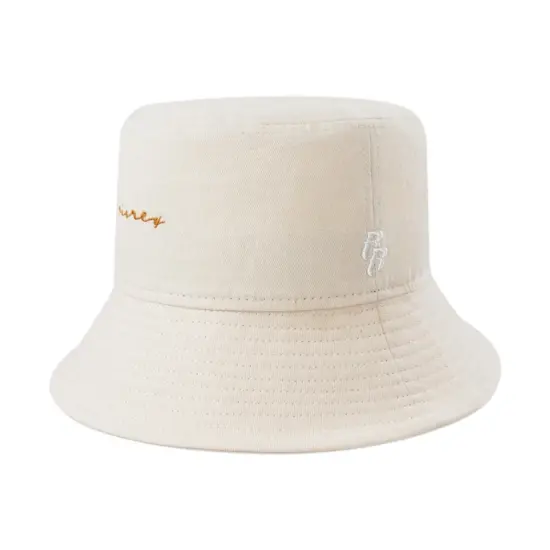
Bucket hats may appear simple, but producing high-quality hats requires precise craftsmanship and well-structured manufacturing techniques. Factories rely on four core production methods—sewing, pressing, embroidery, and printing—to shape the hat, reinforce its structure, and apply custom branding.
Understanding these techniques helps brands, wholesalers, and custom buyers evaluate the quality of a manufacturer and choose the right production method for their designs. Below is a complete guide to the most common manufacturing techniques for bucket hats.
1. Sewing: The Foundation of Bucket Hat Construction
Sewing is the core technique used to assemble bucket hats. It determines the hat’s durability, shape, and appearance.
Key sewing steps include:
-
Crown panel stitching: Joining 2–4 fabric panels to form the main crown
-
Top panel sewing: Attaching the top circle for structure and stability
-
Brim construction: Sewing multiple brim layers together, often reinforced with 6–12 stitching rows
-
Inner lining stitching: Attaching cotton or mesh lining for comfort
Why sewing quality matters
Good sewing ensures:
-
Straight and even stitching lines
-
No loose threads or skipped stitches
-
Strong seam locking to prevent tearing
-
Smooth curves around the brim
Factories with automated or well-maintained sewing machines produce cleaner, more consistent bucket hats.
2. Pressing: Shaping and Finishing the Hat
Pressing is essential for giving the bucket hat its final professional appearance. After sewing, the hat still needs to be shaped correctly.
Common pressing techniques:
-
Steam pressing: Removes wrinkles and stabilizes shape
-
Heat pressing: Used for specific fabrics or interlining reinforcement
-
Molding press: Sets the crown and brim into a permanent structure
Benefits of proper pressing
-
A smoother and cleaner finish
-
More consistent sizing and shape
-
Improved durability and wrinkle resistance
-
A premium, structured appearance
Factories with dedicated pressing equipment ensure bucket hats look polished and high-end.
3. Embroidery: Adding Premium Logos and Decoration
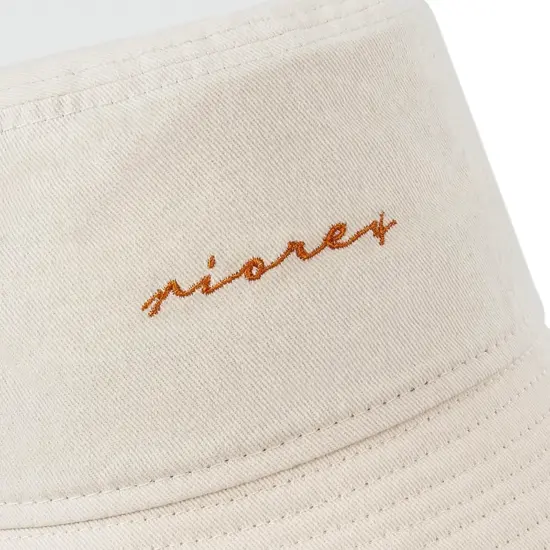
Embroidery is one of the most popular branding methods for bucket hats, especially for premium fashion brands and custom orders.
Types of embroidery used:
-
Flat embroidery: Clean and smooth; perfect for logos and text
-
3D puff embroidery: Raised effect; ideal for bold branding
-
Patch embroidery: Embroidered patches sewn onto the hat
Advantages of embroidery
-
Long-lasting and durable
-
High-end appearance
-
Suitable for cotton, canvas, denim, and corduroy bucket hats
-
Does not fade easily
Factories with advanced multi-head embroidery machines can produce detailed designs with consistent quality.
4. Printing: Versatile Decoration Options for Bucket Hats
Printing provides flexible design possibilities, especially for graphics, patterns, or full-color artworks.
Common printing methods:
• Screen Printing
-
Best for simple, solid-color designs
-
Bright and durable
-
Works well on cotton and canvas fabrics
• Heat Transfer Printing
-
Ideal for small orders or multi-color logos
-
Sharp detail and smooth finish
-
Suitable for polyester bucket hats
• Sublimation Printing
-
Used for all-over prints
-
Ink penetrates fibers for long-lasting color
-
Best for polyester and quick-dry fabrics
Benefits of printing
-
More affordable than embroidery for large graphics
-
Compatible with many fabric types
-
Offers unlimited design possibilities
-
Great for branding, patterns, and promotional hats
Conclusion
The manufacturing techniques used—sewing, pressing, embroidery, and printing—play a crucial role in the quality, appearance, and durability of bucket hats. Understanding each method helps buyers evaluate factories and choose the best production options for their brand or wholesale needs.
A professional bucket hat manufacturer combines these techniques skillfully to deliver consistently high-quality products that meet both functional and aesthetic requirements.